
Nooga Scale
Nooga Portfolio
Nooga Risk
Dependency Management
Manage every dependency before it manages you
Hidden dependencies turn your plans into guesswork. Nooga helps your team see what they depend on, confirm agreement on dependencies between teams, plan in the right sequential order, and keep the agreement visible through execution, all within Azure DevOps. This allows your RTEs and teams to identify, agree, and track dependencies without leaving the tools they already use.
What Nooga Solves
What does it cost when dependencies stay invisible?

Plans get built on assumptions nobody checked.
When planning, teams make assumptions that other teams will deliver on cross-team commitments, but they don’t formally confirm those commitments. And by the time work starts, some of those commitments turn out to be mid-sprint blockers that could have been addressed earlier if there were sufficient visibility.

Replanning becomes the norm, not the exception.
When a dependency falls through partway into a sprint or PI, the problem gets cascaded through all the dependent teams. So everyone has to replan, re-sequence, and re-commit, which compounds across every team downstream.

Not every dependency is a work item.
Budget approvals, hiring timelines, third-party deliverables, and technology rollouts can block a plan just as effectively as a blocked story, but they rarely get tracked anywhere, so nobody sees them coming.

Unresolved dependencies become risks nobody owns.
When a dependency can’t be resolved before planning ends, it becomes someone's problem later, usually without anyone deciding whose. There’s no structured way to categorise it, flag it , or follow up, so it sits there until it causes a delay.
How nooga solves it
Dependency tracking built into where your teams already work
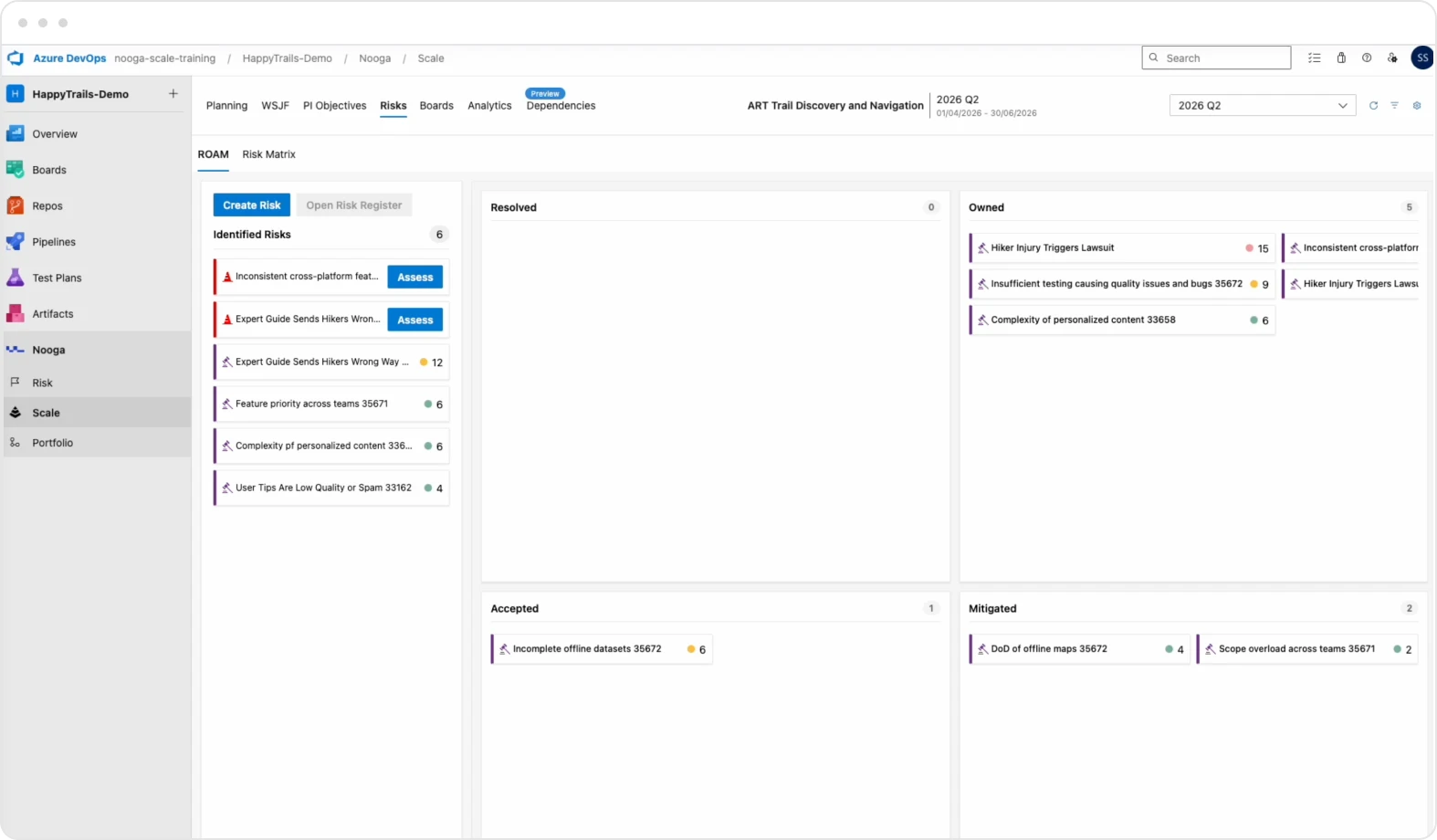
1. Visualize dependencies on the program board
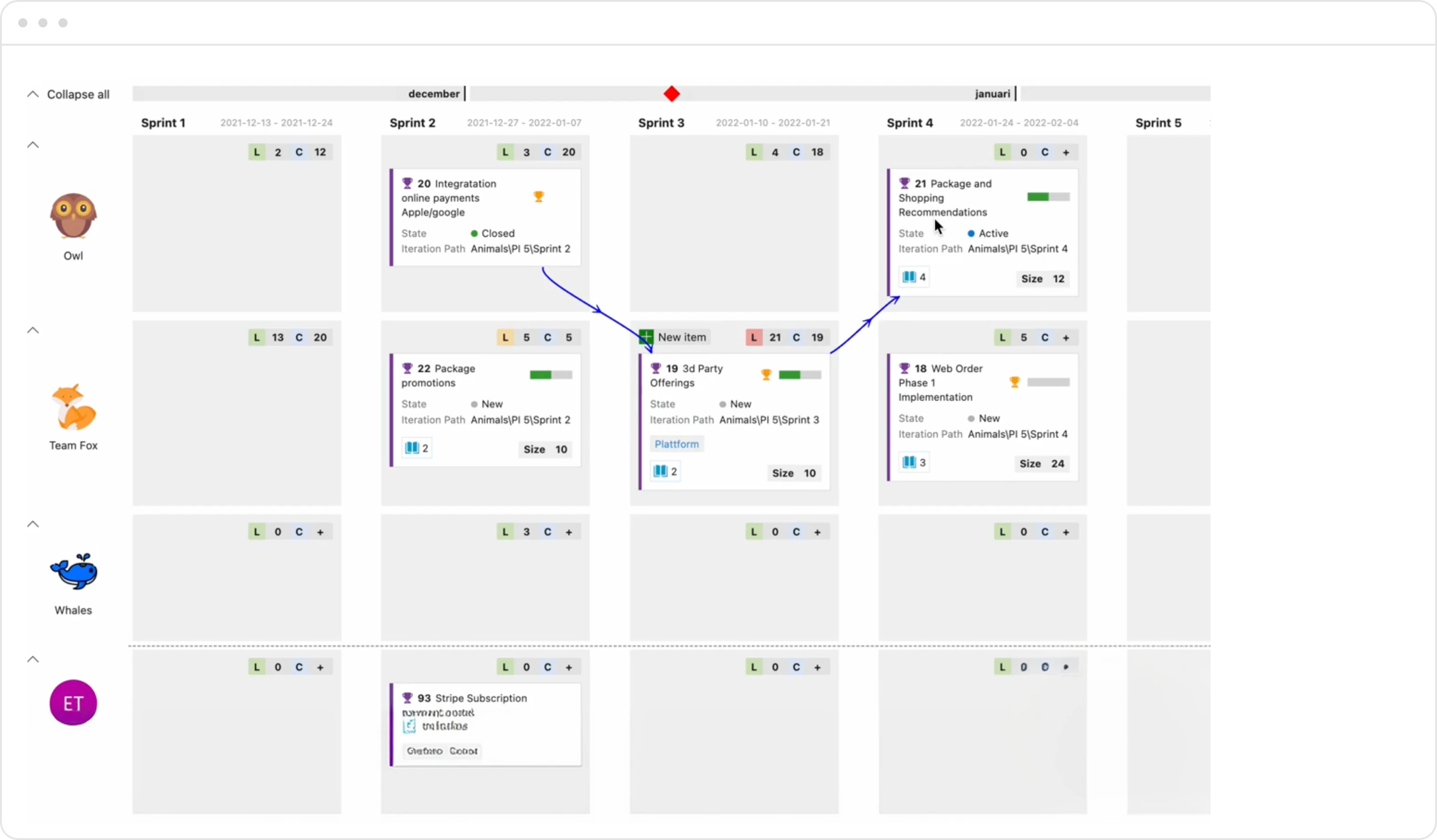
Scale adds dependency visualization directly to the program board in Azure DevOps. Create dependencies by dropping cards on each other, and see at a glance which are correctly sequenced and which still need resolving. The visualization makes it easier for teams to identify and track dependencies in sequential order during PI Planning, helping them achieve handshakes and align commitments across teams.
2. Agree dependencies before planning starts
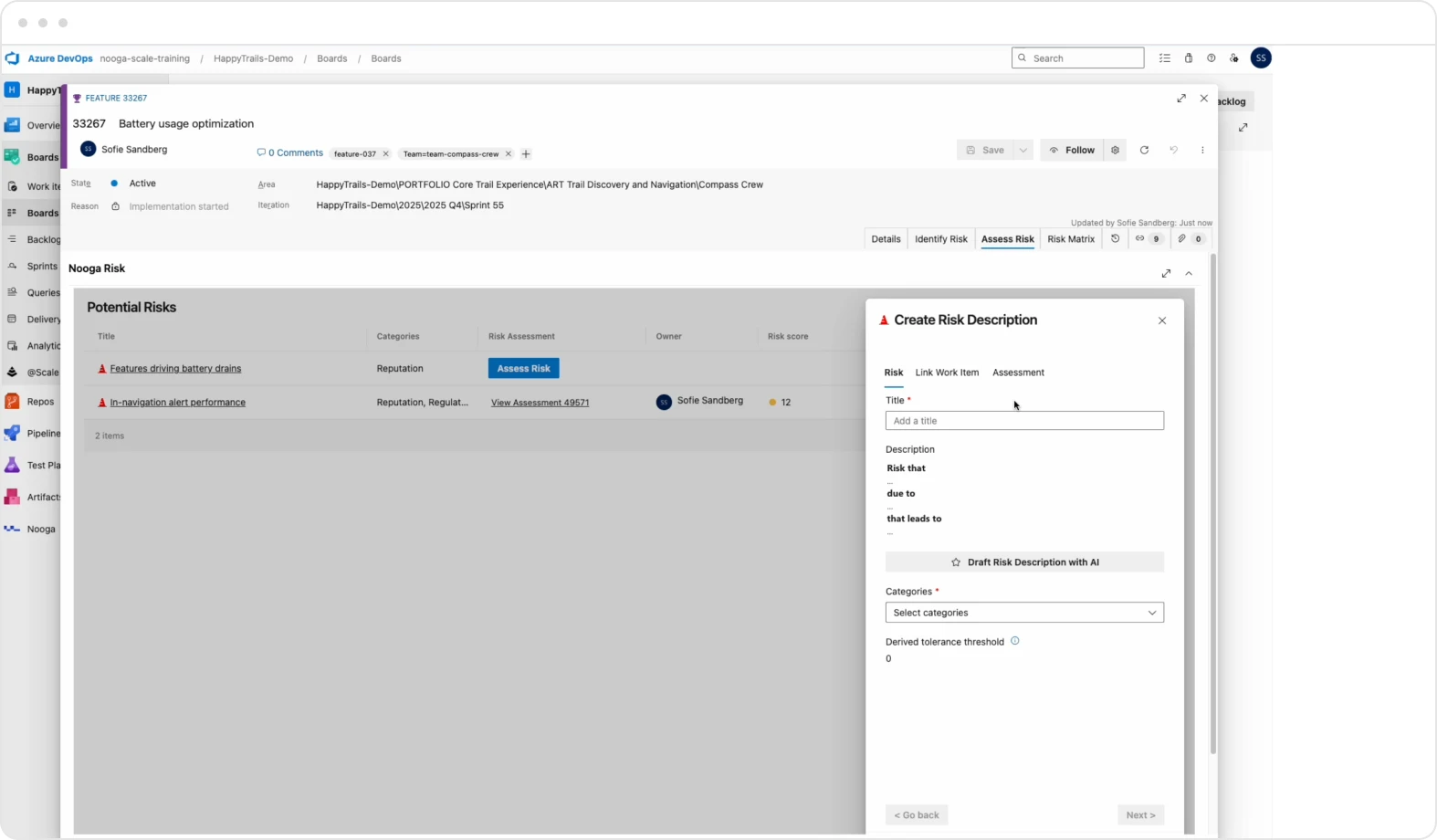
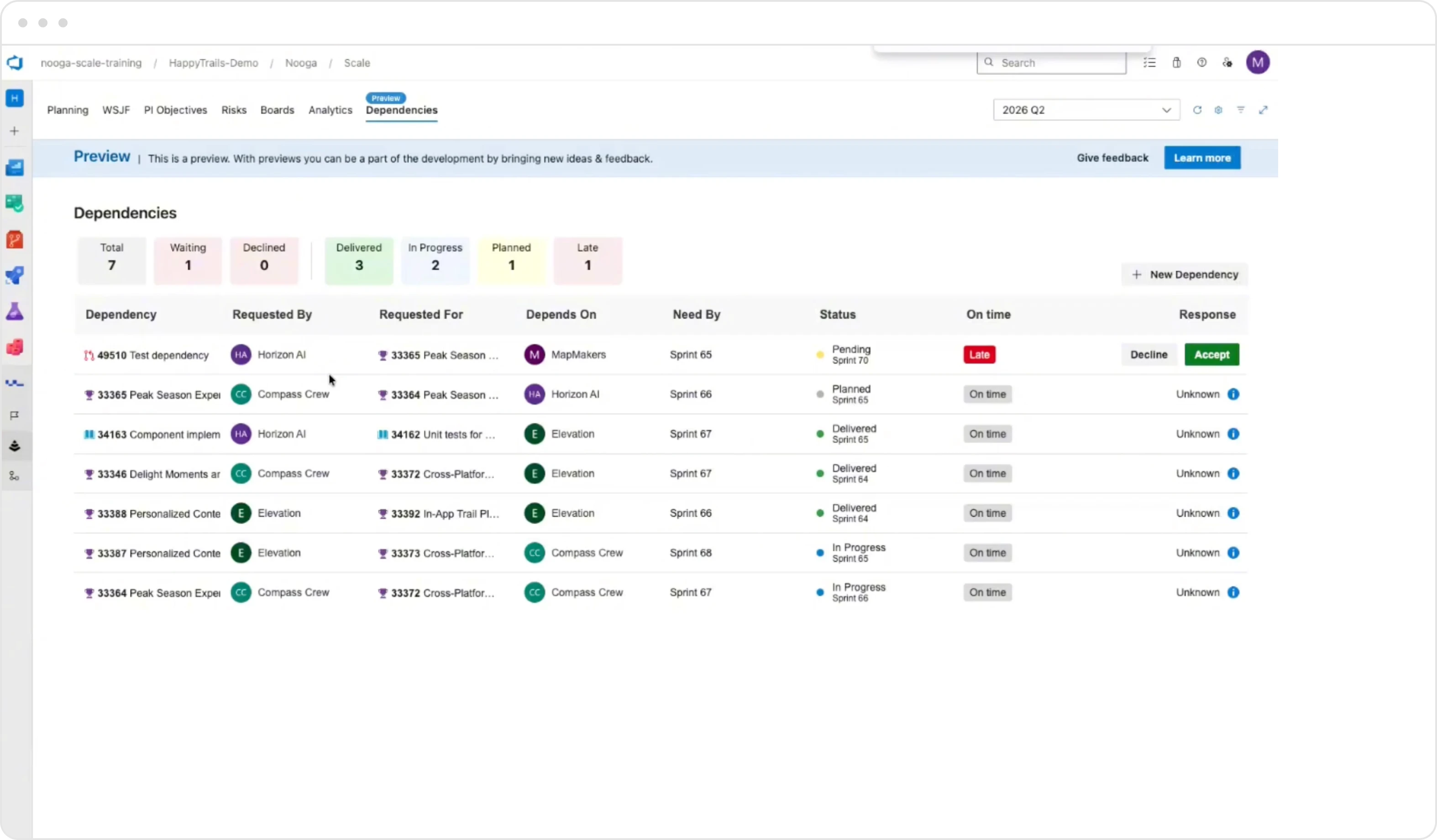
Teams raise formal dependency requests inside Azure DevOps before or during planning or PI. The receiving team accepts or declines. If accepted, the dependency converts into a work item on their board automatically.
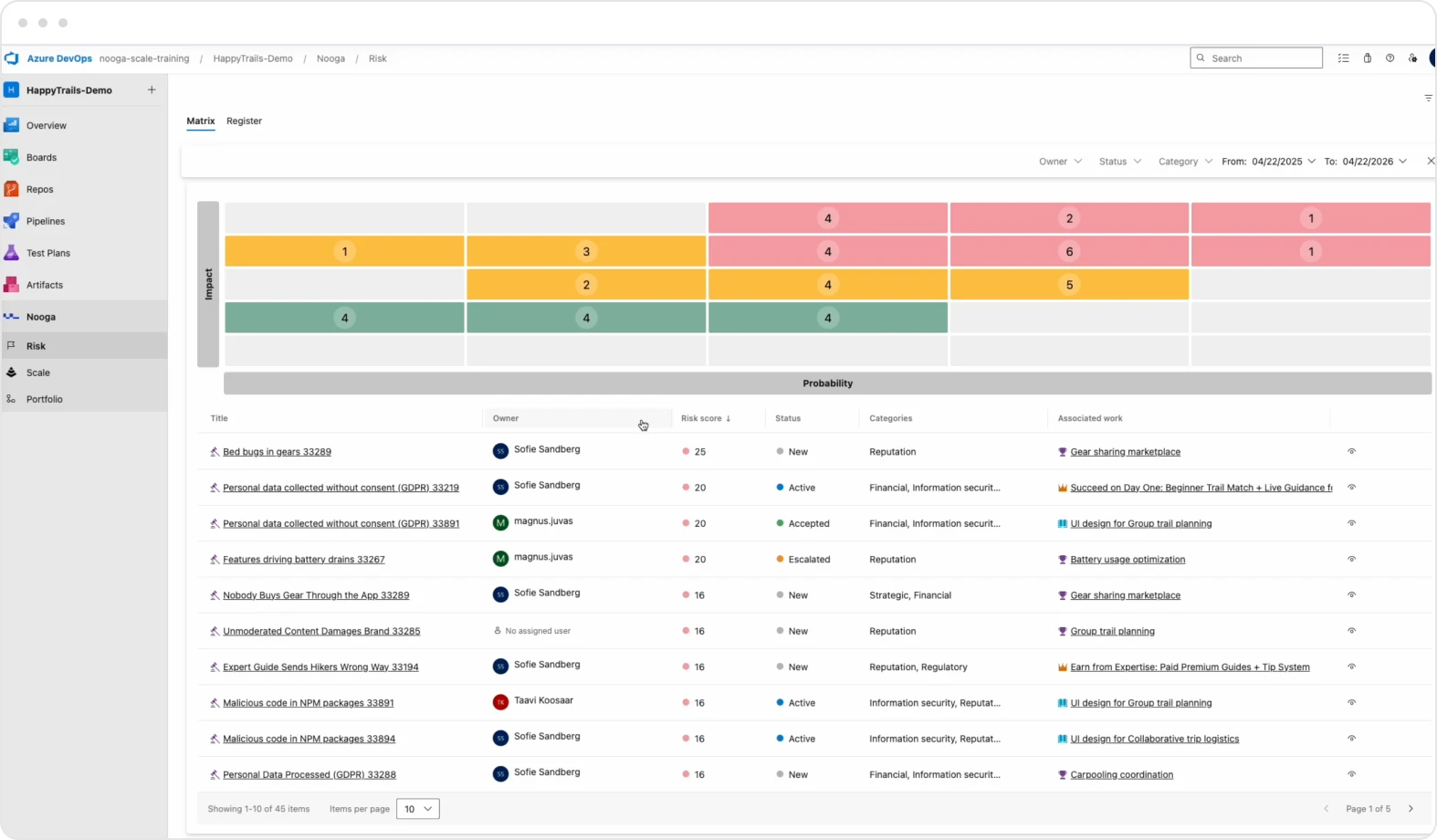
3. Capture the dependencies that don’t fit on a board
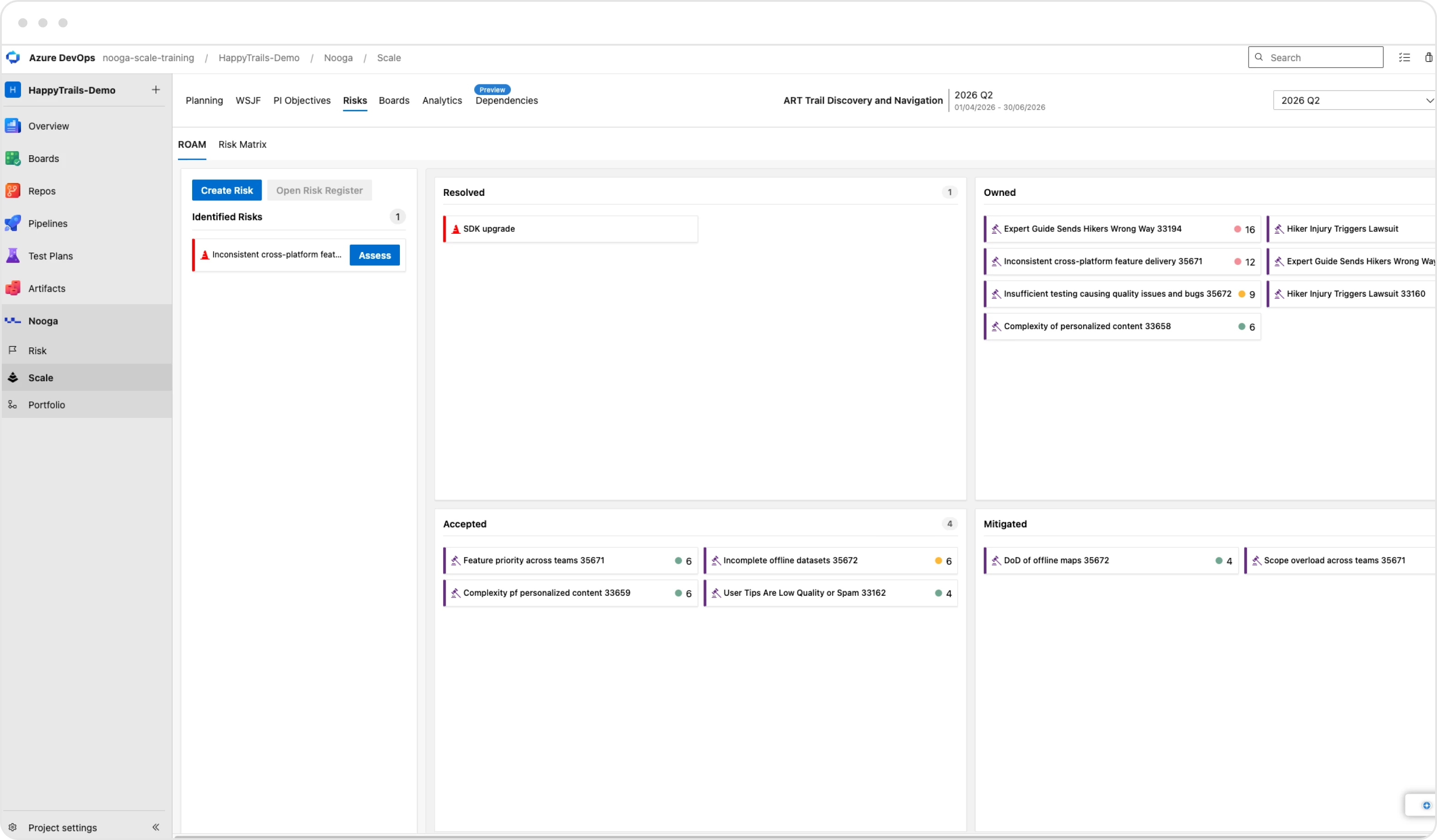
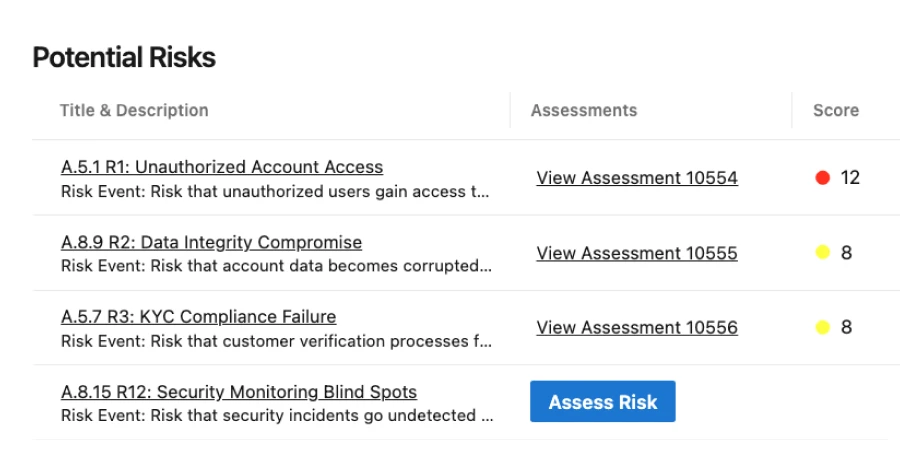
Nooga Risk lets teams log risks such as budget, hiring, and other third-party commitments as external dependencies, so they’re visible alongside the rest of the plan rather than living in someone's head.
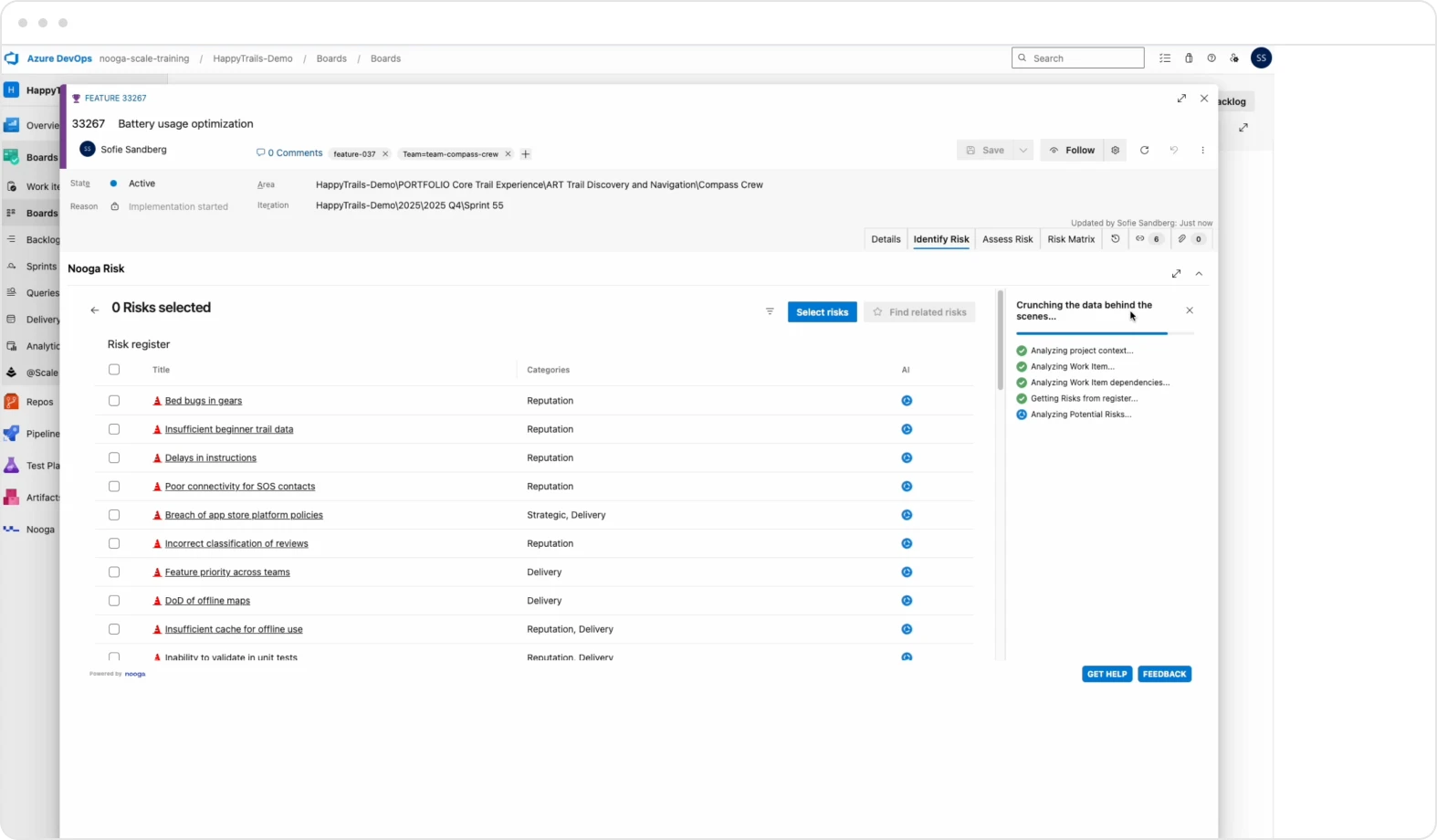
4. Surface cross-team dependencies at the portfolio level
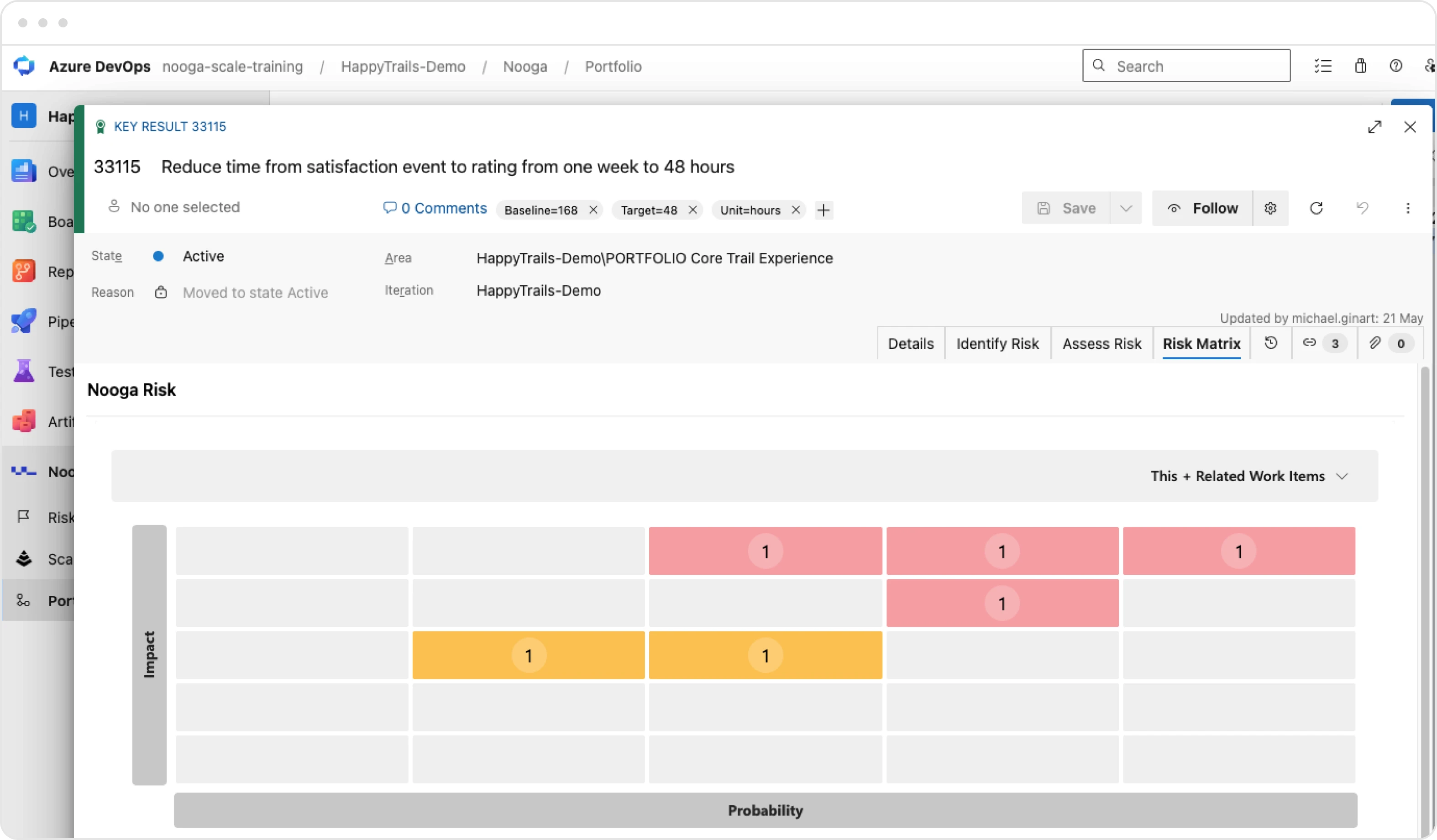
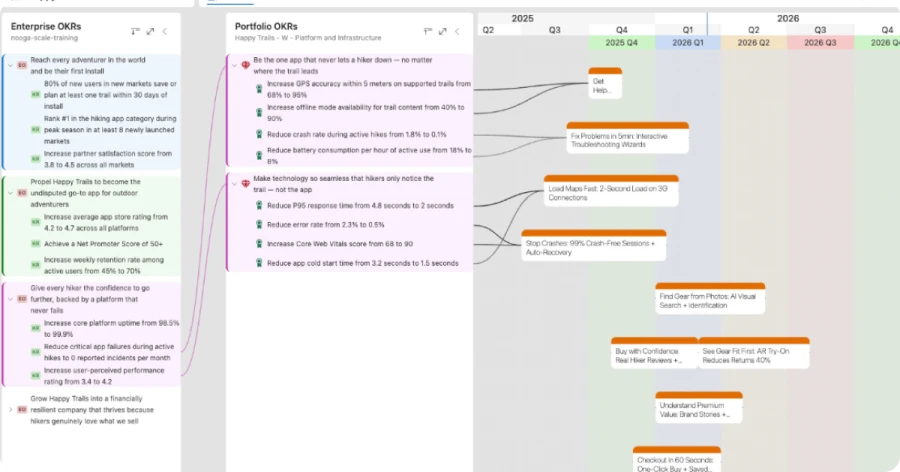
Portfolio shows which epics and features are blocked, at risk, or dependent on teams outside the portfolio, giving you a single view of what needs attention before it becomes a problem.
Testimonials
Proven Success
Azure DevOps Extensions
Portfolio management built into every layer of delivery
Early Access
Meet your everyday AI teammate for GRC
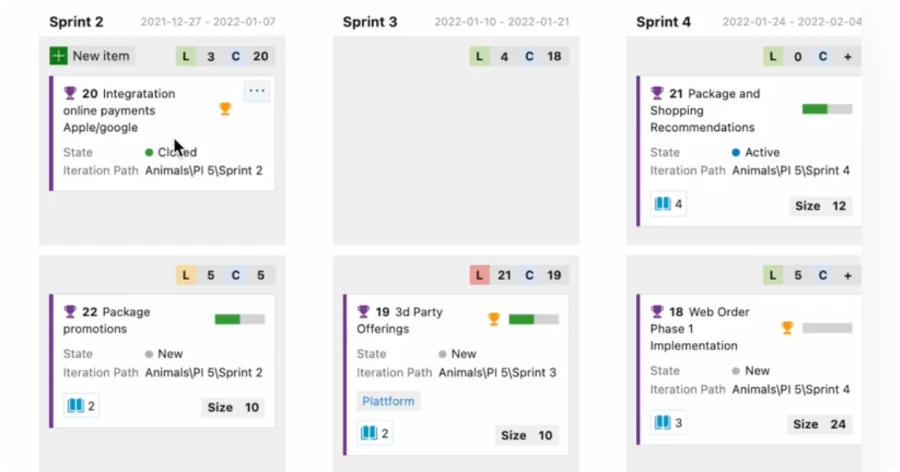
Agile planning at scale made easy
Early Access
Risk management tool for the modern development world
FAQ
Most frequently asked questions about dependency management with Nooga
Azure DevOps links work items natively but does not visualize dependencies on a planning board, track whether cross-team commitments have been met, or surface late dependencies automatically. Nooga Scale and Nooga Portfolio add these layers on top of your existing data, without the need to use a separate tool.
When a team accepts a dependency request, the requested work converts into a tracked work item on their team board.
Nooga Scale
Nooga Portfolio
Nooga Risk
Get started with Nooga today
Bring dependency tracking into Azure DevOps and give your RTEs and teams live visibility into every cross-team commitment.